The second day of the 55th “Molodist”: presentation of the Ukrainian Films, new opportunities for Ukrainian filmmakers from “Creative Europe”, the Teen Screen opening, a morning repeat screening of the opening film, “Livin”, and screenings attended by the directors.
The screenings began with a student competition. Throughout the day, the audience were able to watch three blocks of student films. Some directors attended the premieres of their movies in person and had a Q&A session with the audience. Iryna Melnychenko, director of the film “Reminiscene” (Switzerland, 2026), was one of them.
Despite the early morning, a repeat screening of the opening film “Livin” was played to a full house. The screening was attended by the director Yevhen Matviienko, producer and director of the “Vacation” novella, Pylyp Illienko, director Oleksandr Timenko, and other crew members. They presented the film and had a Q&A session with the audience.
Within the “Special Events” section, a world premiere of the film “Seven Circles of Hell” by Andrzej Klamt and Frank Amann took place and was attended by the film crew.
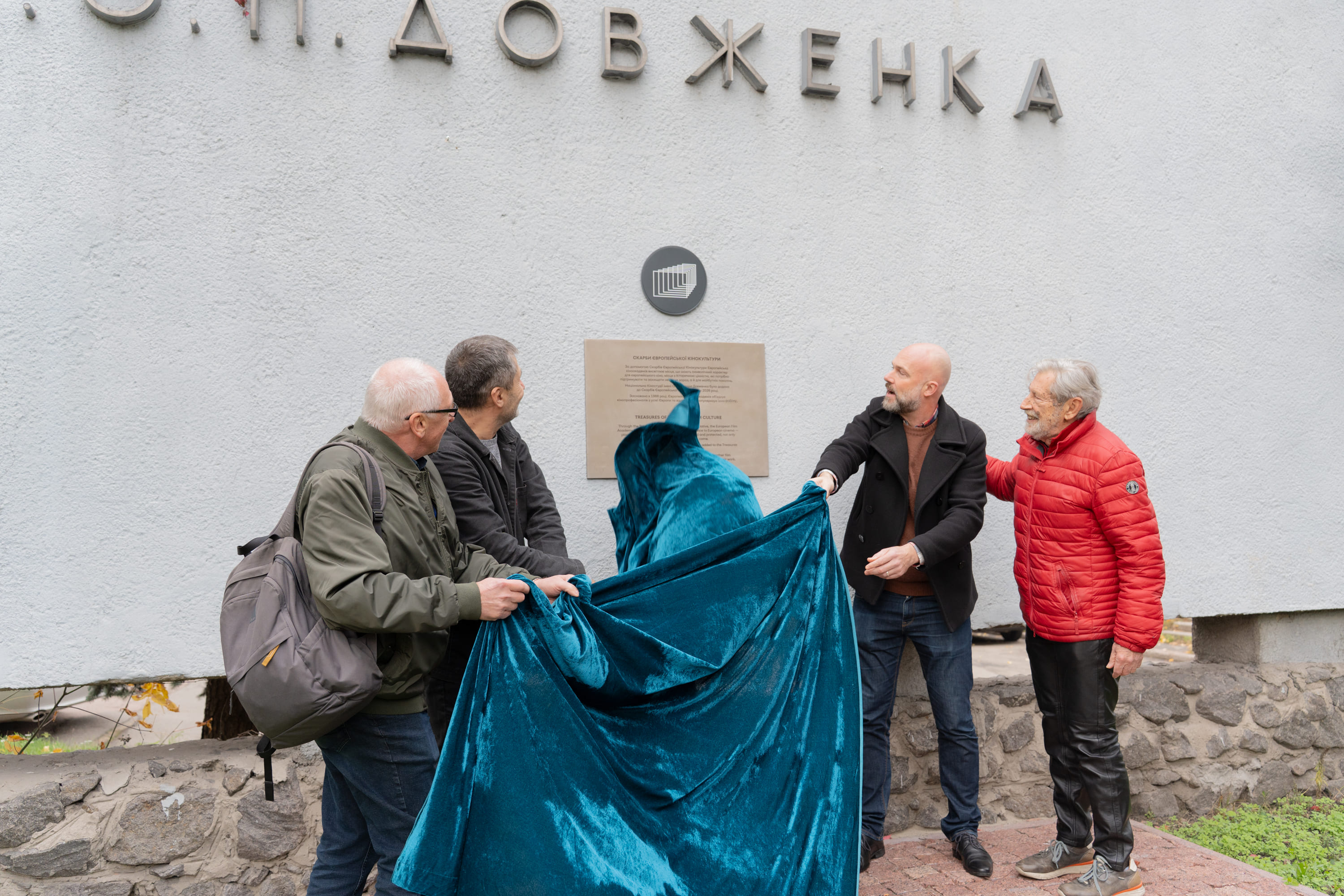
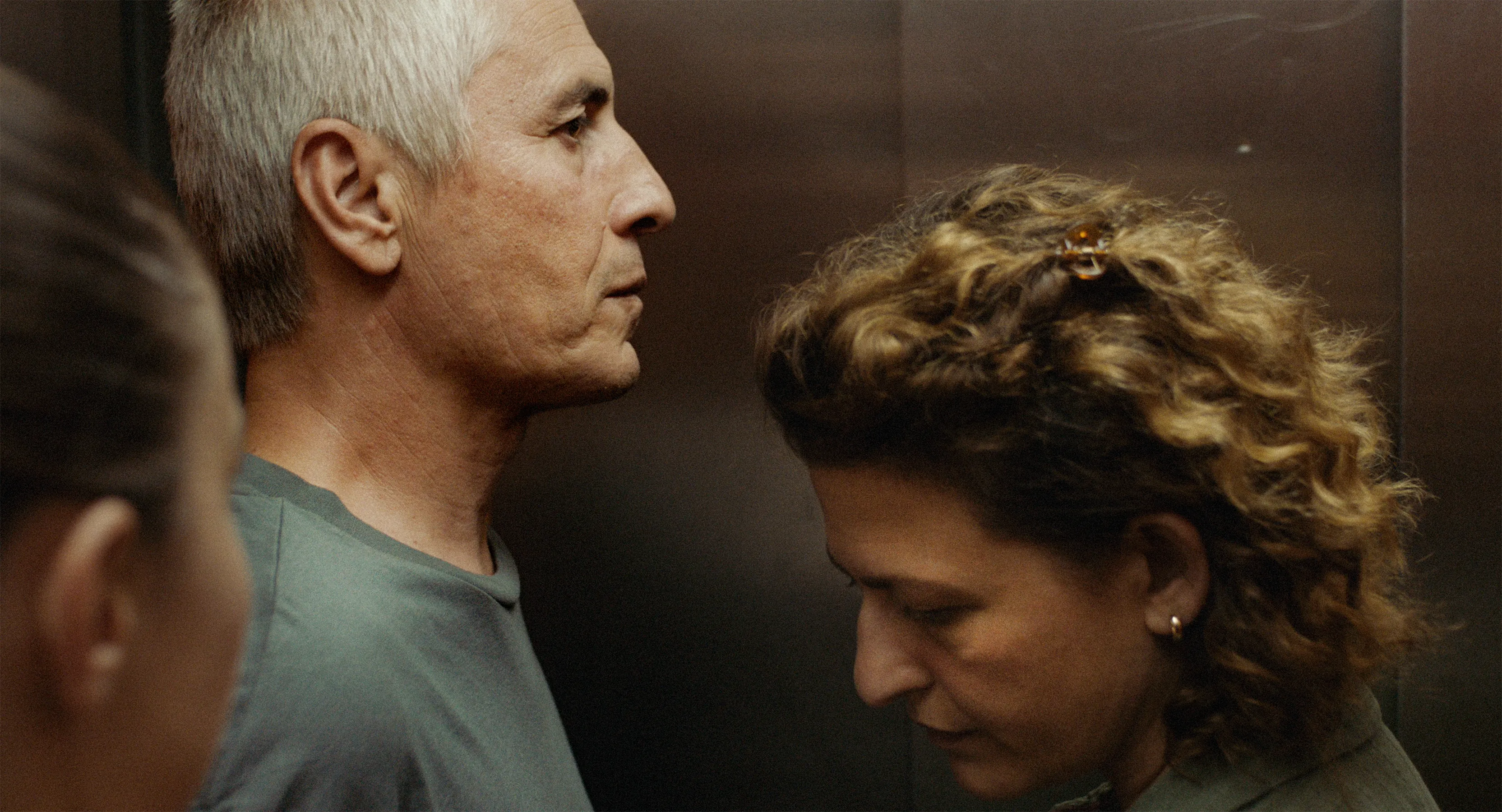
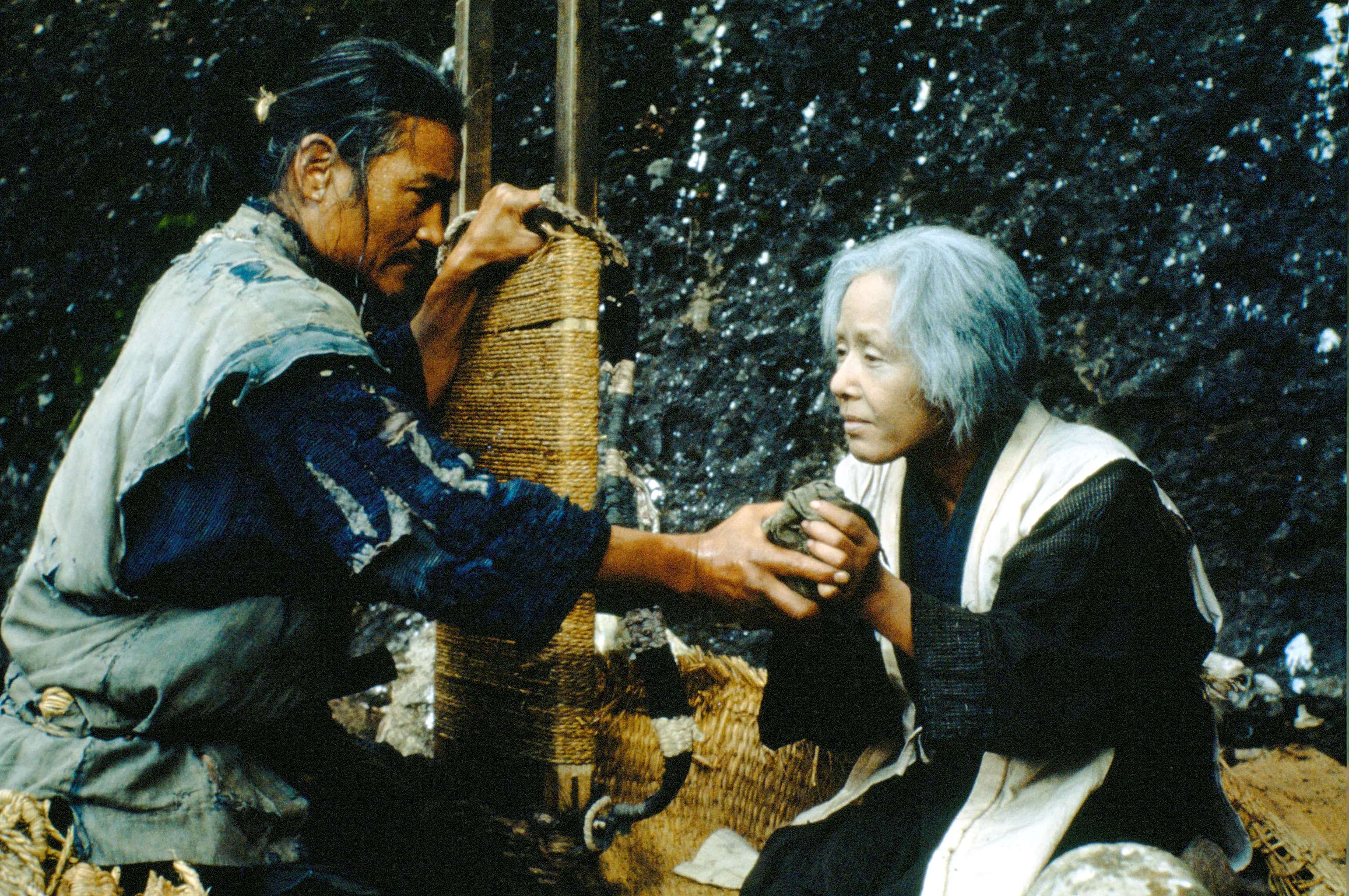
A highlight of the programme was a joint screening with the Dovzhenko Centre of a selection of films entitled “Association ‘Debut’” presented by film expert Stanislav Bytiunytskyi. The session included three debuts of the famous Ukrainian filmmakers: “The Death of the Gods” (1988) by the director and Head of the Dovzhenko Film Studio, Andriy Donchyk, “A Faded Sakura in My Garden, You Walk Past Me Again” (1993) by Oleh Chornyi, and “The Border Under Lock and Key” (1988) by Serhii Lysenko.
The association, which was founded in 1987 at the Oleksandr Dovzhenko Film Studio, opened the door into the cinema for the whole generation of directors who would later become an important part of the Ukrainian film industry in the 1990s. Oleh Chornyi and Serhii Lysenko attended the screenings in person.
Within the “Midnight Special” section, a world premiere of the film “Gothic Is Serenity” by Natalia Ilchuk took place. This year, the director also became a jury member of the Documentary competition. After the screening, the audience spent a lot of time discussing the film with the director, reminiscing about the Ukrainian goth scene, and thanking her for the movie. The film will be screened again on 1 November at 9.00 pm at the “Zhovten” cinema.
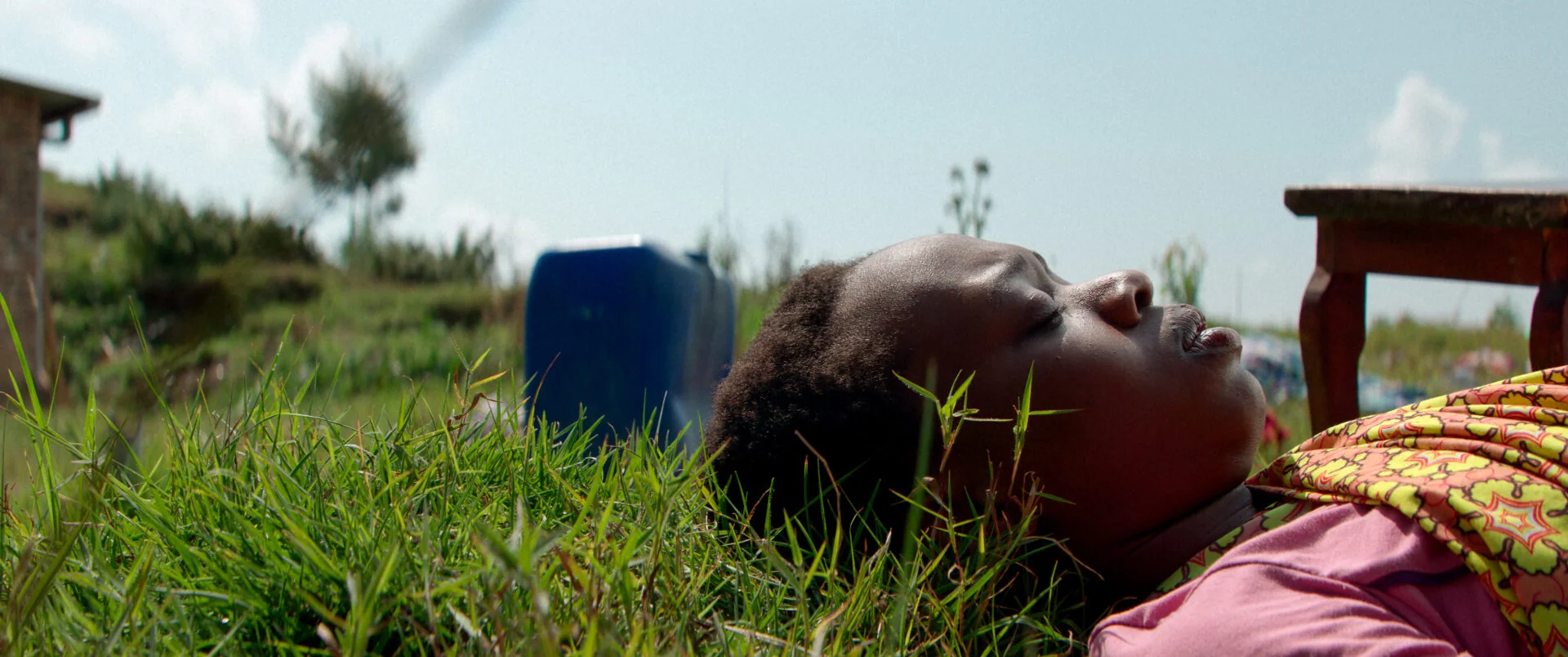
The Budynok Kino had a special screening of the film “Hirnyk”, which had already been presented at the CinEast Film Festival and will also be shown at the FilmFestival Cottbus in Germany. During a discussion with the audience, director Mykola But and producer Yura Karahodin talked about their friendship with the film’s protagonist, known by the call sign “The Dutchman”. For many years, he has been evacuating civilians from the most dangerous areas of the Donetsk and Luhansk regions. The director and producer also spoke about the most challenging moments of the shoot. Together with the audience, Mr. Mykola and Mr. Yura pondered over the film’s central question: why do so many residents of the frontline towns, including Hirnyk, refuse moving to safer areas until the very last moment?
The Industry section of the festival began on 25 October at the Budynok Kino with the introduction of the Ukrainian Films, which was held by Andriy Osipov, Head of the Ukrainian State Film Agency. We had already reported on this event in detail in a separate article: https://www.molodist.com/news-ua/u-mezhah-55-go-kinofestivalyu-molodist-vidbulasya-diskusiya-pro-stvorennya-ukrainian-films
Ukrainian cinema and “Creative Europe”: film selection criteria, requirements for artists, and the specifics of the co-development competition
On 11 December 2024, Ukraine signed the Agreement with the European Union on the participation of Ukraine in the Creative Europe Programme (2021 to 2027). It gives Ukrainian artists the opportunity to join European culture programmes. How to prepare a project for a competition? What are the requirements and the challenges the directors might face? These were the issues discussed during a lecture given by Mykola Ulianov, Head of the EU Creative Europe Desk, and Oleksandr Khodakivskyi, Project Manager of the EU Creative Europe Desk.
The speakers pointed out the following topics of high importance for the EU: inclusion, the environment, international relations, and the digital transition. When dealing with inclusion, they recommended bearing in mind gender balance, as well as the involvement of under-represented groups, disabled people, and representatives of various ethnic, linguistic, and social groups.
Only independent European audiovisual production companies with experience of working on projects designed for international distribution, and which didn’t receive funding in previous competitions, may submit individual applications.
It is also important to take into account the copyright requirements: by the deadline, a coordinator, together with partners, must either hold the majority of rights to the work or divide them equally amongst themselves. It concerns the rights to the concept, treatment, and the screenplay.
Grant programmes available for the filmmakers: https://creativeeurope.in.ua/call/crea_media_2027_devslate
https://creativeeurope.in.ua/call/crea_media_2027_codev